Invest smarter on the GSE
Articles, videos and books on investing in Ghana, from your first trade to reading charts and company reports.
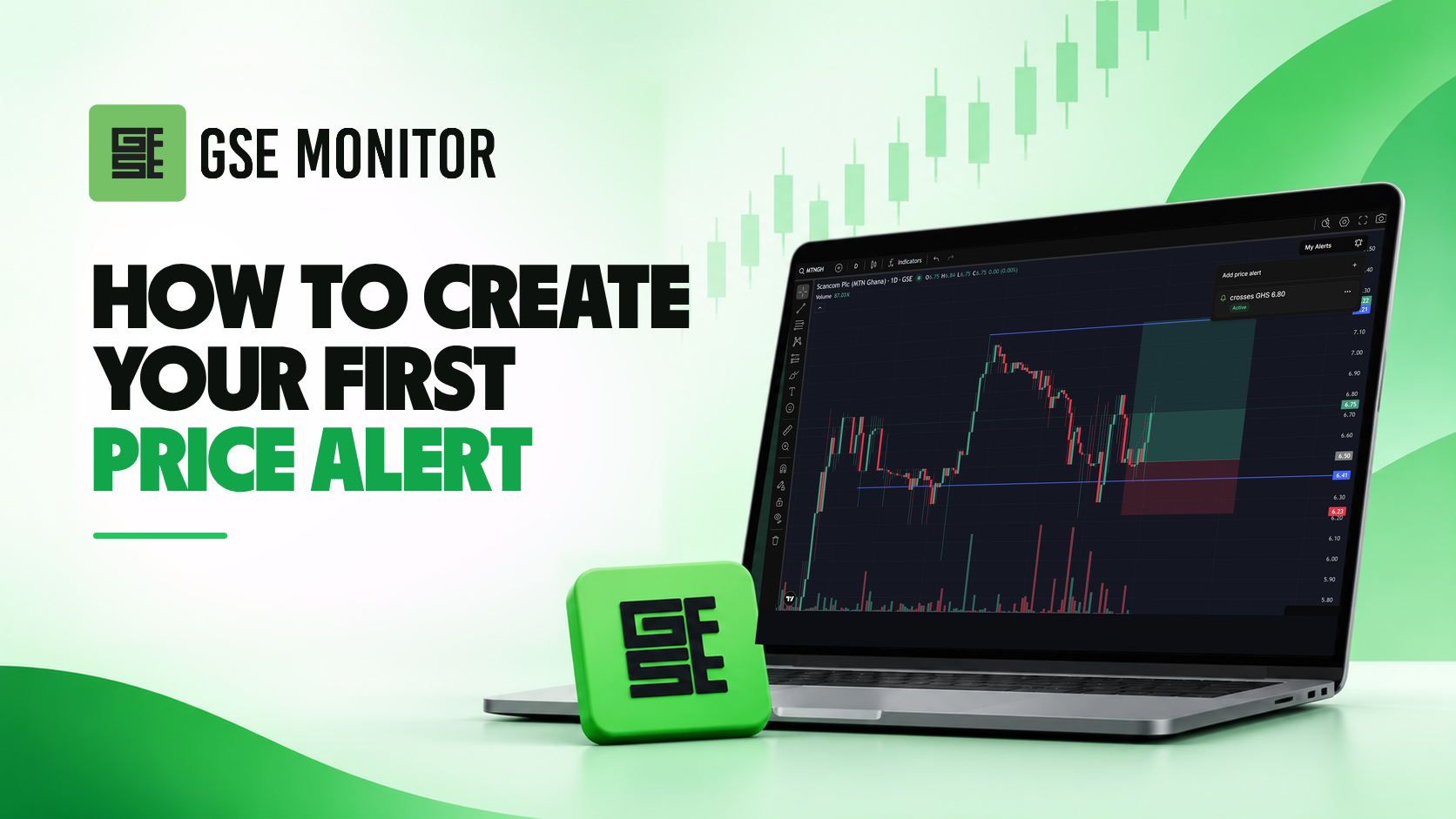
How to Create Your First Price Alert on GSE Monitor
A price alert emails you when a stock reaches the price you care about, so you do not have to keep checking the chart. You set it up in under a minute from the Charts page on GSE Monitor. This guide uses MTNGH as the example. The same steps work for any stock on the Ghana Stock Exchange.
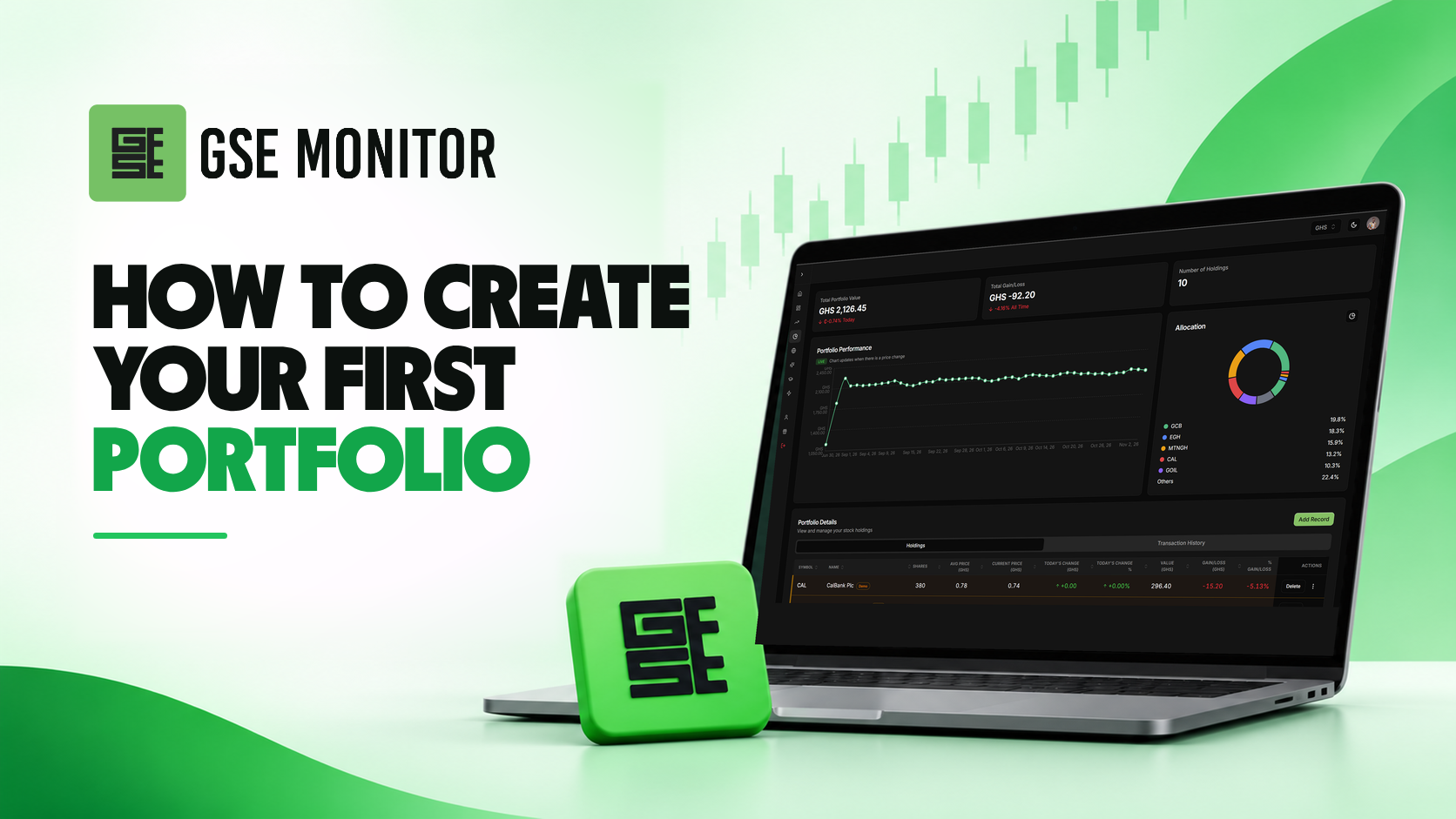
How to Create Your First Portfolio on GSE Monitor
A step-by-step guide to creating your first portfolio on GSE Monitor, by adding one holding at a time or uploading a broker statement. In about five minutes you can have a portfolio on GSE Monitor that tracks the Ghanaian shares you own, shows how much each one is worth, and lets you see your gain or loss at a glance. You can add holdings one at a time, or upload a broker statement in one go.
Mistakes beginners make in the Ghana stock market
Mistakes beginners make in the Ghana stock market

Building your first portfolio and managing risk
Building your first portfolio and managing risk

Dividends
How investors make money

How to understand a company before you invest
Key factors to consider before you invest in a company

How to buy your first Ghanaian stock
Everything you need to know about buying your first stock

Who does what in the Ghana stock market
Key players in the Ghana's financial market.

What is the Ghana Stock Market Exchange
Where shares of listed companies are bought and sold

Your Investment Options In Ghana
Stocks, T-bills, Bonds, funds, and fixed deposits in Ghana

WHY INVEST (Investing Basics)
Saving, inflation and the case for putting money to work.
Common Beginner Mistakes, Scams and Your Pre-Buy Checklist
The mistakes new Ghanaian investors make, how to spot investment scams, and a printable checklist to run before and after your first purchase. The most common investing mistakes are habits, not mysteries. Check yourself against this list before you buy, then use the checklist at the end every time.

Building Your First Portfolio and Managing Risk
Diversification, concentration, liquidity, and risk capacity explained for beginners, with three hypothetical investors. A portfolio is more than a pile of shares you like. It is a set of holdings shaped by your goals, your time horizon, and, just as important, how much loss you can actually absorb. This article gives you the ideas to think with. It does not tell you what mix to hold.
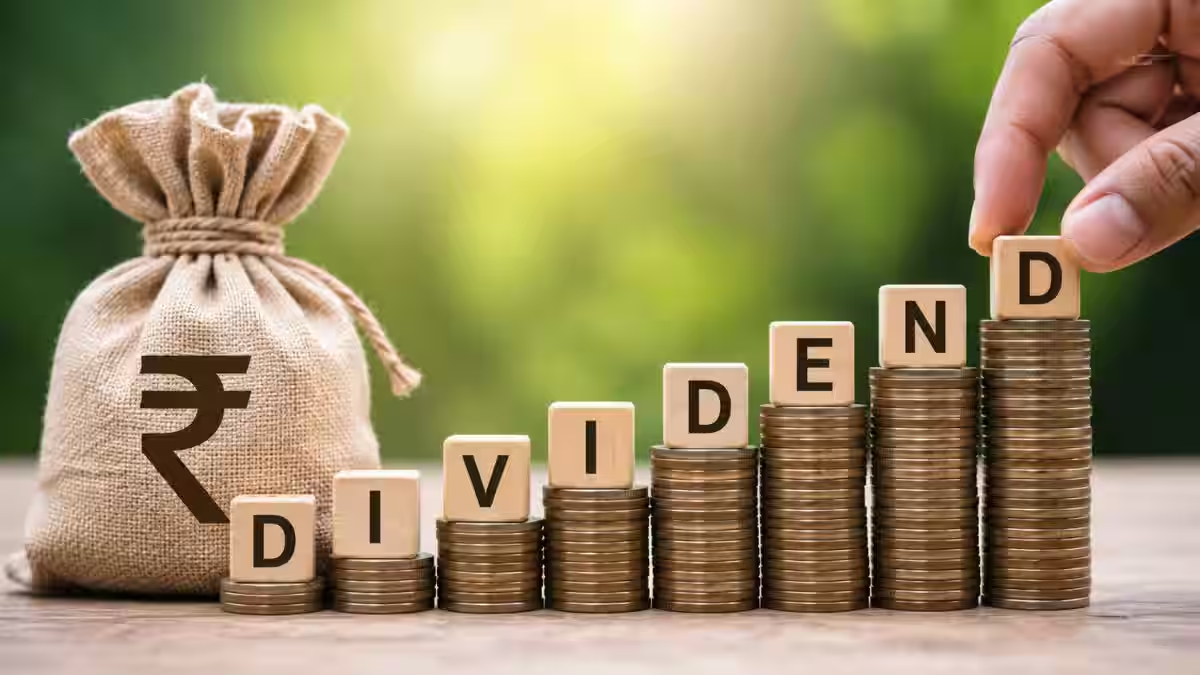
Dividends and Total Return: How Investors Actually Make Money
How dividends work, how to calculate total return, and why costs and tax change the answer, with Ghanaian examples. Shares reward investors in two ways: the price can change, and the company can pay dividends. Understanding both, and what costs and tax take away, gives you a more honest picture of a return.
How to Understand a Company Before You Invest
Ten plain-language questions and the basic financial statement terms every beginner investor should know, with a fictional worked example. Before you look at a single number, you should be able to describe the business. If you cannot answer the first three questions below in a sentence or two each, you are not ready to buy, however attractive the price looks.
How to Buy Your First Ghanaian Stock, Step by Step
A ten-step walkthrough for buying a first share on the Ghana Stock Exchange, including identification, costs, contract notes and a section for readers abroad. Buying a first share is mostly a matter of order. Do the thinking steps (1, 2 and 6) before you send any money. Opening an account does not oblige you to buy anything.

Who Does What in the Market: GSE, SEC, Brokers and the CSD
Meet the four institutions behind every Ghanaian share trade: the GSE, SEC Ghana, licensed brokers (LDMs) and the Central Securities Depository. You cannot walk up to the Ghana Stock Exchange and buy a share. Behind every trade are four institutions, each with a distinct job. Knowing who does what makes account opening, fees and complaints far less confusing.
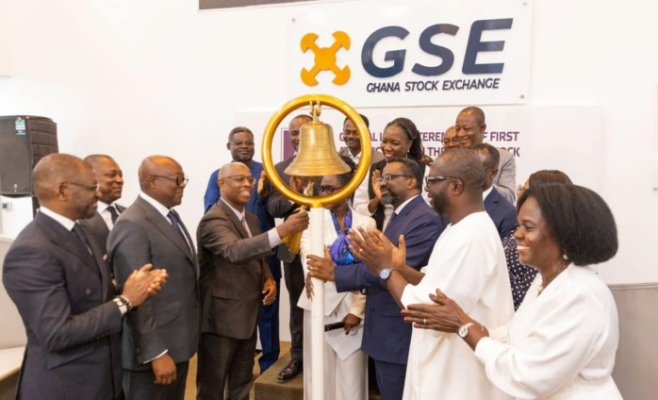
What Is the Ghana Stock Exchange and How Does It Work?
A beginner's guide to the Ghana Stock Exchange: what a share is, how prices and indices work, and how trading happens. The Ghana Stock Exchange (GSE) is the organised marketplace where shares of Ghana's listed companies are bought and sold under a common set of rules. This article explains the pieces you will keep meeting: shares, prices, market value, indices and trading.
Your Investment Options in Ghana: Stocks, T-bills, Bonds, Funds and Fixed Deposits
T-bills, government bonds, stocks, mutual funds and fixed deposits explained side by side, with the main risks of each. There is no single "best" investment, only the one that fits a goal, a time horizon and your comfort with risk. This article lays out the five options most Ghanaians meet first, so you can see where stocks sit among them.
Why Invest? Saving, Inflation and the Case for Putting Money to Work
Learn the difference between saving and investing, why inflation matters, and how compounding works, with simple Ghanaian examples. Saving keeps money available for the things you will need soon. Investing is for money you can leave alone for years, because it seeks income or growth in return for extra risk. This first article explains the difference, so that every later part of the series makes sense.